








September is a useful month to give your garden some attention. The soil often retains summer warmth, while cooler days and returning rain can make planting and lawn repairs easier. It is also a chance to enjoy late flowers and harvests before the season changes.
There is no need to tackle everything at once. Focus on what your garden needs, and let local conditions guide you: a dry September in southern England calls for a different approach from a wet, chilly month further north.
Help your lawn recover from summer
If your lawn looks worn after summer, start by removing fallen leaves and checking for compacted ground or bare patches. Wait until the grass is growing actively and the soil is moist before carrying out renovation work. Avoid scarifying during drought, frost or waterlogged conditions.
Where a thick layer of thatch has built up, scarifying can help water reach the soil. Aerate compacted areas with a garden fork, or use a hollow-tine aerator where compaction is more severe.
Reseed sparse patches with a grass mix suited to the spot, whether it is shaded or regularly walked on. Keep newly sown areas moist while the seed establishes. If feeding is needed, choose an autumn lawn fertiliser and follow the packet instructions. The RHS guide to autumn lawn care explains these jobs in more detail.

Tidy borders without clearing everything
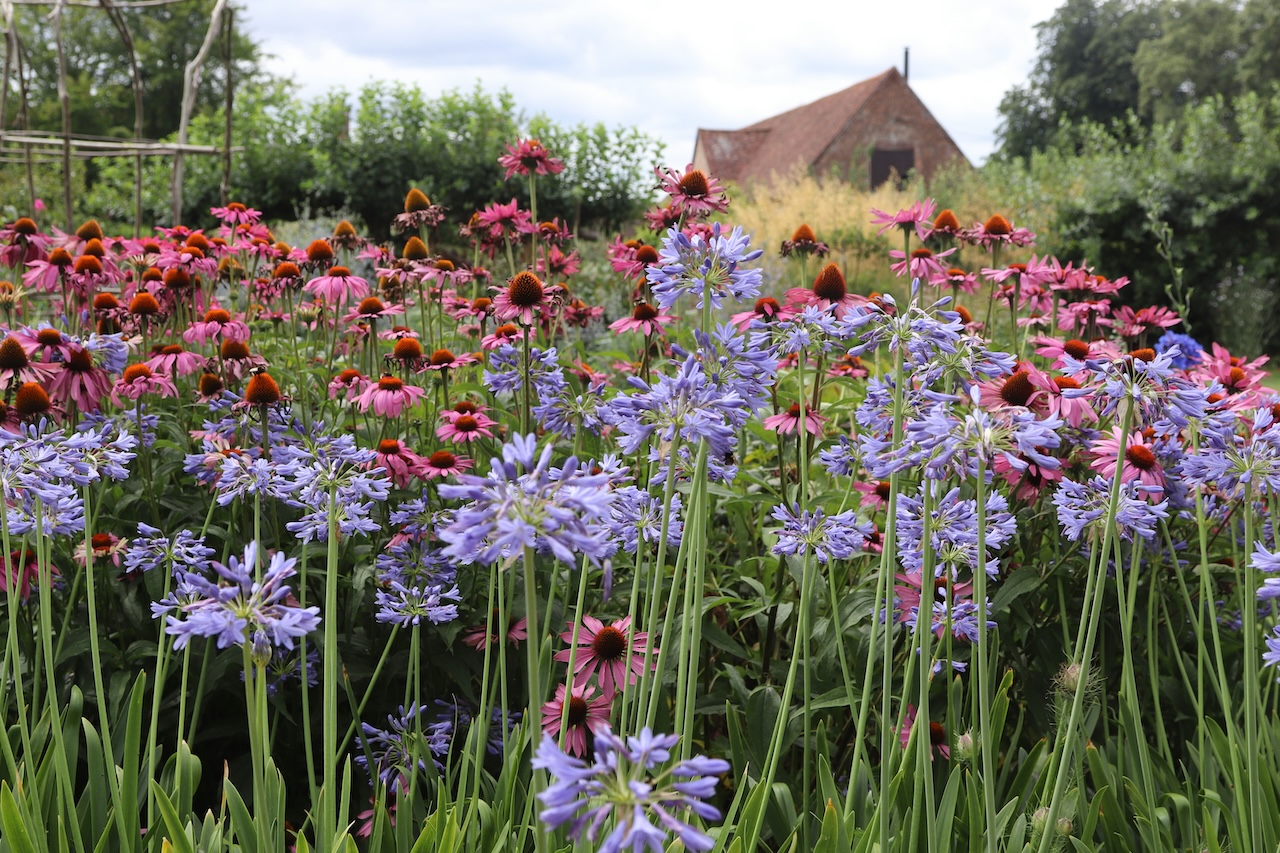
A September tidy-up does not need to leave borders bare. Remove damaged or diseased material, but keep healthy plants that are still flowering. Leaving some seedheads and hollow stems can provide food and shelter for wildlife, as well as interest through winter.
Established clumps of suitable perennials can be divided once flowering has finished. Replant the divisions promptly and water them well. Leave plants that prefer spring division until next year, particularly where the soil stays wet in winter.
Avoid treating September as a deadline for pruning every shrub or hedge. Timing depends on the plant, and cutting at the wrong time can remove next year’s flower buds. Check the requirements of each species before starting, and inspect hedges for active bird nests before trimming.
If you are considering bigger changes, take photographs and note which areas worked well this summer. Our practical guide to designing a garden from scratch can help you assess light, drainage and layout before you buy new plants.
Plant bulbs for spring colour
Planting a few bulbs now is an easy way to bring colour to next spring. Daffodils, crocuses and outdoor hyacinths can go into borders or containers in September. For tulips, the RHS bulb-planting guide recommends November.
Choose firm, healthy bulbs and follow the planting depth on the packaging. As a general guide, many bulbs are planted two to three times their height, with the growing tip facing upwards.
Good drainage matters, particularly during a wet winter. For containers, use pots with drainage holes and a suitable peat-free compost. Avoid spots where water collects, and wear gloves when handling hyacinth bulbs, which can irritate skin.
Small groups usually create a stronger display than isolated bulbs. Try daffodils near a path or a pot of crocuses somewhere you will see it from indoors.
Prepare tender plants for cooler nights
Keep an eye on overnight temperatures, especially in exposed gardens and frost-prone areas. Tender plants may need protection before the first frost, while some require warmer conditions well before temperatures reach freezing.
Before moving plants under cover, inspect leaves, stems and pots for pests. Choose a bright overwintering space with temperatures suited to the plant; a heated living room is not suitable for every species.
The RHS September flower checklist includes bringing tender perennials under cover. Make space early so you can respond quickly when colder weather is forecast.
Keep harvesting and look after the soil
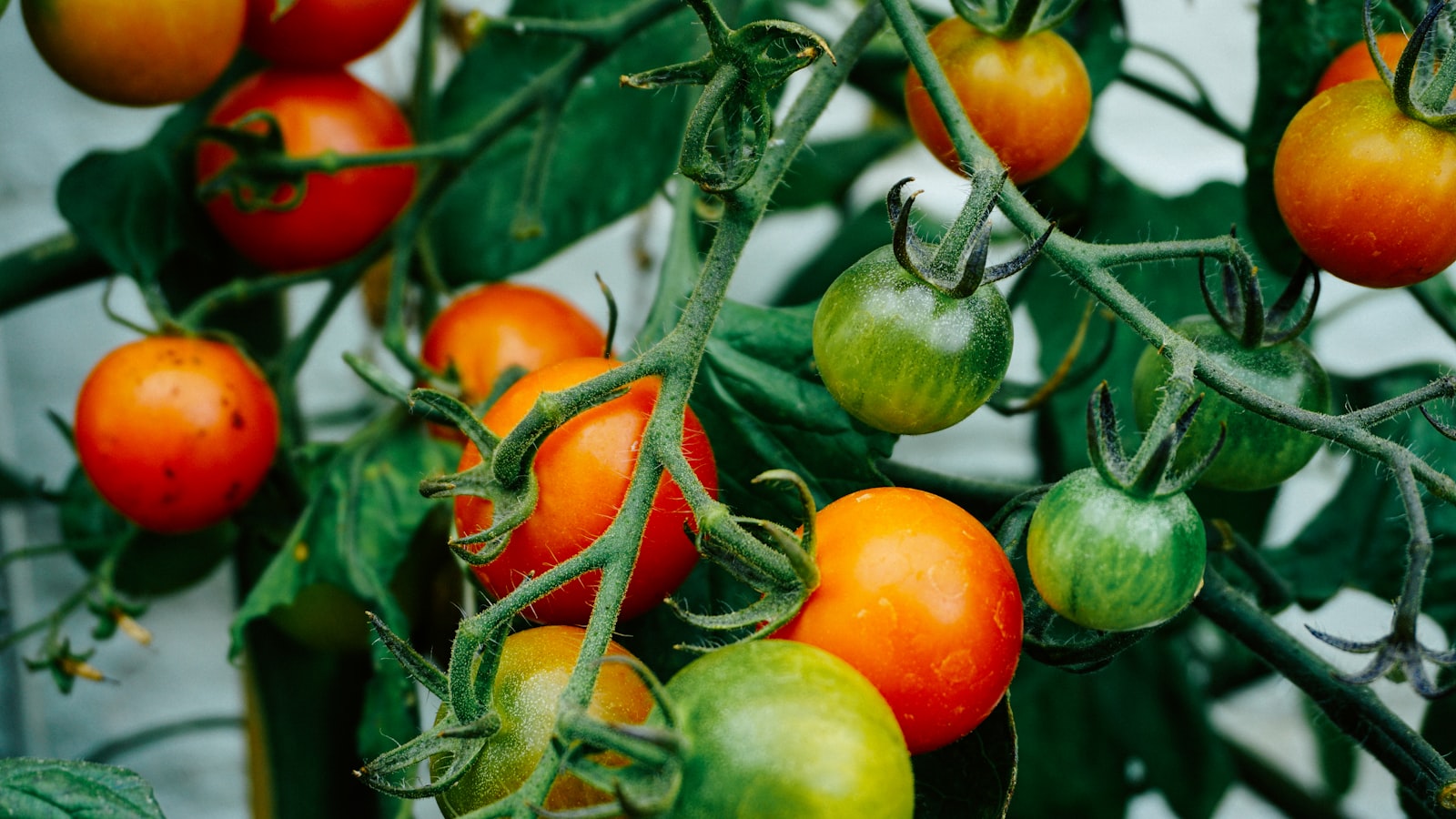
Continue picking tomatoes, courgettes and beans while plants remain productive. Harvest maincrop potatoes when ready, choosing a dry day where possible, and store only sound, undamaged tubers.
As beds become empty, remove weeds and spent crops. Healthy material can go into the compost heap, while diseased plants may need different disposal depending on the problem.
Cover cleared soil with well-rotted compost or another suitable organic mulch. Alternatively, sow a green manure appropriate for autumn: this is a living crop grown to protect and improve the soil, rather than a material spread over it. The National Trust’s autumn gardening advice explains how mulching helps care for beds through winter.
Leave time to enjoy the garden, too. A few well-chosen jobs now can support healthy growth next year without clearing away everything that makes early autumn appealing.

.jpg)



.svg)