




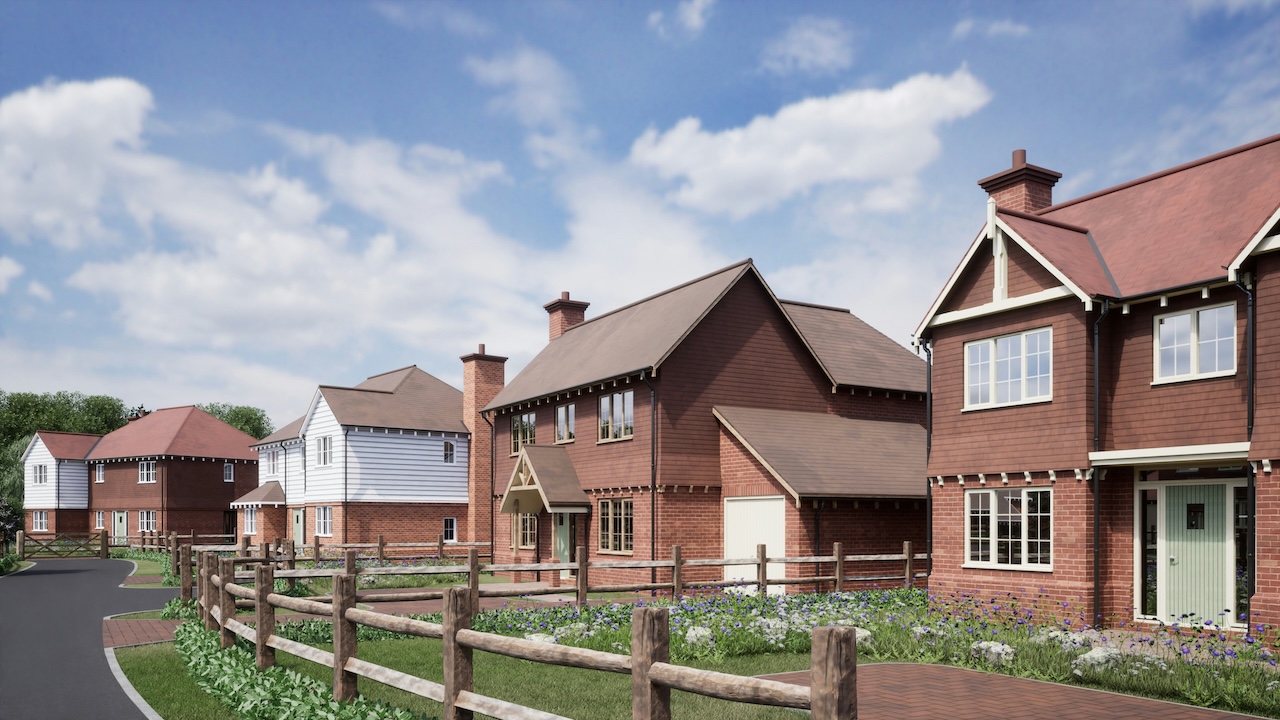



For many buyers, the new-build versus resale question feels like a straightforward preference — resale offers history, character and established streets; new-builds offer the clean slate of modernity. But that framing undersells what today's new-build market genuinely delivers. In terms of energy performance, build quality, specification and financial structure, the contemporary new-build proposition is stronger than it has ever been, and for a growing number of buyers it represents not merely a practical solution but the clear-headed choice. Here is why new-build homes deserve a prominent and open-minded place on any serious property shortlist.
What new-build quality looks like today
The perception that new-build homes compromise on quality is a legacy view that the industry has worked progressively to address, and today's construction standards reflect that effort. New-build properties must meet current building regulations including Part L energy efficiency standards, which have become substantially more demanding in recent revision cycles. The result is homes that are significantly better insulated, more airtight, and more thermally comfortable than the majority of resale stock they sit alongside in the market.
Most new-build properties sold by established housebuilders come with an NHBC Buildmark warranty: ten years of structural warranty protection and two years of developer coverage for defects in fixtures, fittings and finishes. This warranty is a meaningful safeguard that resale buyers cannot access, and it provides significant reassurance for both the homeowner and their mortgage lender.
Many new developments now incorporate air-source heat pumps, photovoltaic solar panels and electric vehicle charging points as standard — technologies that older properties require expensive, disruptive retrofitting to accommodate. For buyers who factor long-term running costs into their financial planning, the lower utility bills of a high-specification new-build home represent genuine, quantifiable savings that compound over years of ownership.
The construction quality of new homes from reputable housebuilders is backed by rigorous independent inspections at key build stages. New owners typically move into a home that is clean, newly decorated, energy-tight and entirely their own — with no surprises lurking in the walls that a survey might have missed in an older property.
The financial advantages
The financial case for new-build ownership extends well beyond lower running costs. Stamp Duty Land Tax remains one of the most significant purchase costs for buyers in England, and understanding the reliefs and exemptions available is important for any buyer's budgeting. The latest applicable rates and thresholds are published and regularly updated at GOV.UK: Stamp Duty. First-time buyers purchasing qualifying new-build properties have historically benefited from meaningful SDLT relief, and this should be factored clearly into any cost comparison between a new-build and a comparable resale property.
Developer incentive packages can further enhance the financial proposition. Many housebuilders offer contributions towards the buyer's deposit, cashback on completion, inclusion of flooring, upgraded kitchen specifications, landscaping, or contributions towards legal fees. These incentives vary significantly between sites, developers and market conditions, and they are negotiable. Approach the conversation with a clear sense of the full package you want rather than focusing on price alone.
The government's official overview of the home-buying process is available to view at GOV.UK: How to buy a home this page includes guidance on the various support schemes available to buyers, which may include shared ownership routes, mortgage guarantee schemes and other mechanisms that interact particularly well with new-build purchases.
Specification and personalisation
One of the most distinctive and practically valuable aspects of buying a new-build property is the opportunity to influence how your home looks and functions before you move in. Depending on where a development is in its build programme at the point of your purchase, buyers can often select from curated ranges of kitchen cabinet finishes and door styles, worktop materials, bathroom tile palettes, flooring options and door hardware. This personalisation transforms a new-build into a home that reflects your tastes from the moment you cross the threshold — something that even the most handsomely presented resale property cannot offer in the same way.
The specification standards at premium new-build developments have risen considerably. Integrated appliances, quartz worktops, underfloor heating to ground floors, high-quality sanitaryware and contemporary fitted wardrobes are increasingly standard rather than exceptional. Smart-home integration — high-speed broadband infrastructure, provisions for multi-room audio, video doorbell readiness and EV charging — is built into modern developments from the foundations up rather than added retrospectively at considerable cost and disruption. For buyers who would otherwise spend years gradually upgrading a resale property, moving into a home that already reflects their standards and preferences is a significant practical advantage.
Choosing the right development
Not all new-build developments are equal, and thoughtful site selection is as important here as it is in the resale market. Transport connectivity deserves careful scrutiny: verify the actual peak-time commute from the development to your place of work, not just the stated distance or the most optimistic journey time on a quiet day. Are there planned infrastructure improvements — a new station, a road upgrade, a bus route extension — that will enhance connectivity in the years ahead?
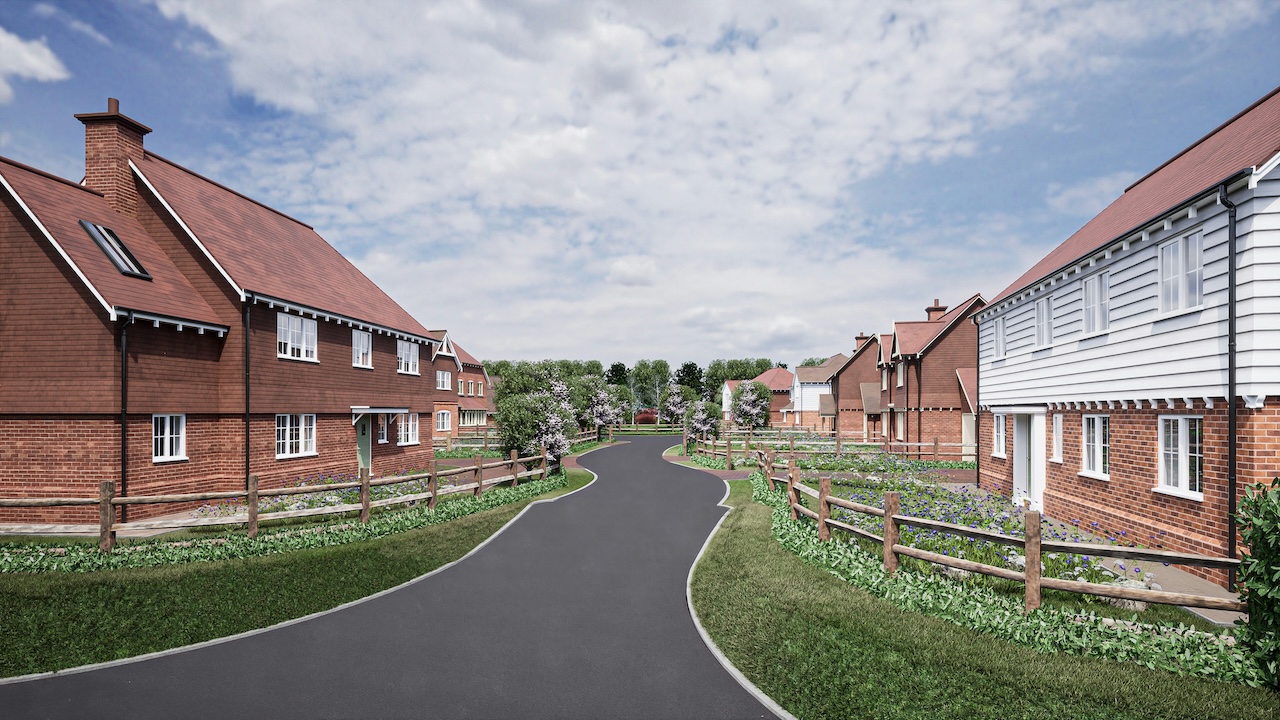
Amenity profoundly influences quality of daily life and long-term value. A development served by good schools, accessible retail, quality green space and healthcare provision will be more sought-after than an isolated site however well the individual homes are specified. The best recent developments have been masterplanned communities with parks, schools, shops and community facilities delivered as part of the same scheme — an approach that creates genuinely attractive, functioning places rather than collections of houses.
Developer reputation is worth researching before you commit to any reservation. Read independent reviews from existing customers of the specific developer, visit completed earlier phases of the same development where they exist, and speak to residents already living on the site if you can. A developer who is responsive to snagging issues — the minor defects that emerge in any new construction in the first weeks and months of occupation — makes the post-completion experience considerably more comfortable. The new-build market rewards buyers who engage with the same rigour they would bring to any significant investment.
It is also worth engaging an independent snagging inspector before you legally complete the purchase of a new-build home. A professional inspection at this stage identifies any defects that should be rectified by the developer under the warranty provisions, allowing you to enter your new home with full confidence in its condition. This is a routine step that experienced new-build buyers treat as standard practice, and the cost — typically a few hundred pounds depending on the size of the property — is consistently well spent. Take your time throughout the process, ask thorough and detailed questions of the sales team and of the development's independent reviewers, and approach the new-build market as the informed, well-prepared buyer you have worked hard to become. A new-build home, chosen wisely and purchased with full understanding of its financial and practical profile, can be one of the most satisfying property decisions available to today's buyers.





.svg)