




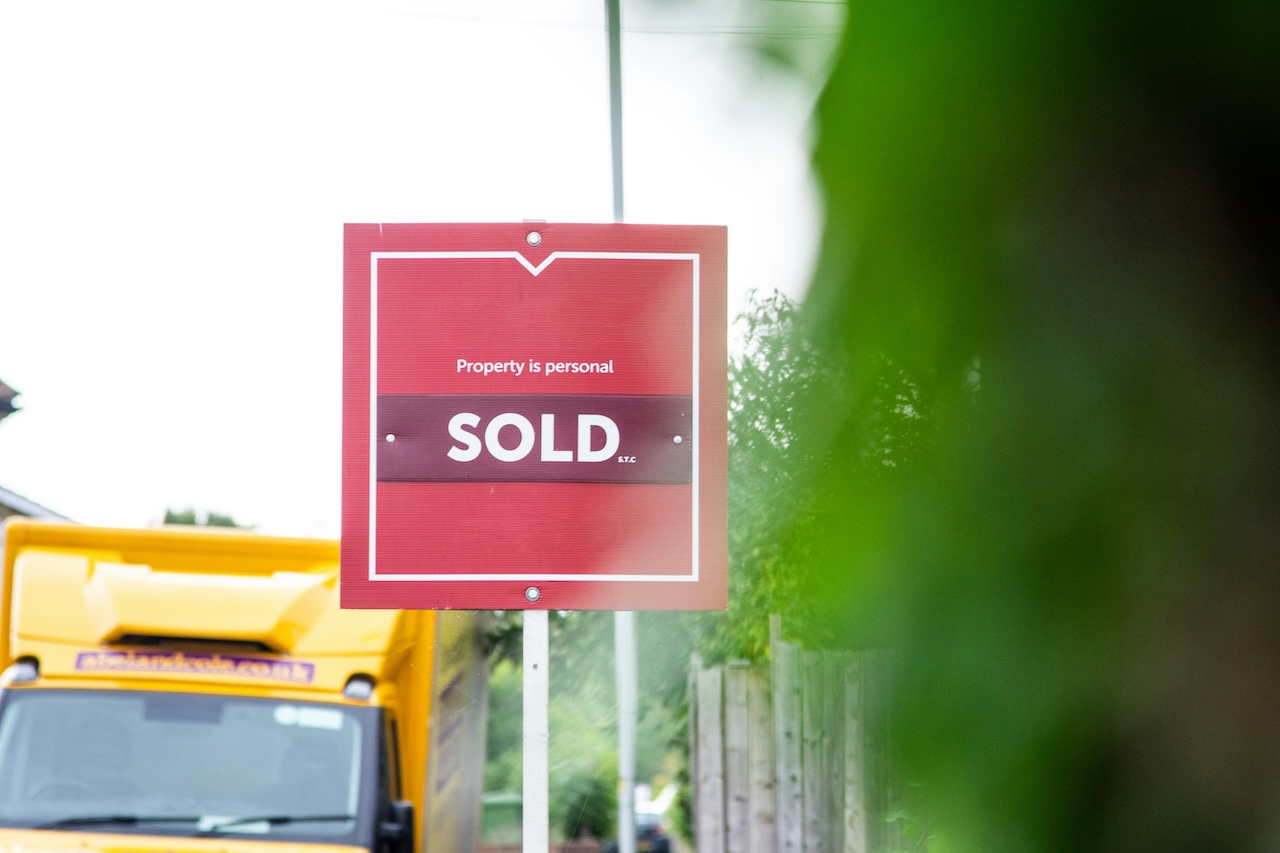



The difference between a property that sells at asking price within its first week on the market and one that languishes for months before selling at a reduced figure often comes down to three controllable factors: how the property presents, what it is priced at, and when it goes to market. None of these is beyond a seller's influence — and intelligent management of all three is the most reliable path to achieving the best possible outcome. Here is how to approach each one with the seriousness it deserves.
First impressions: kerb appeal and entrance
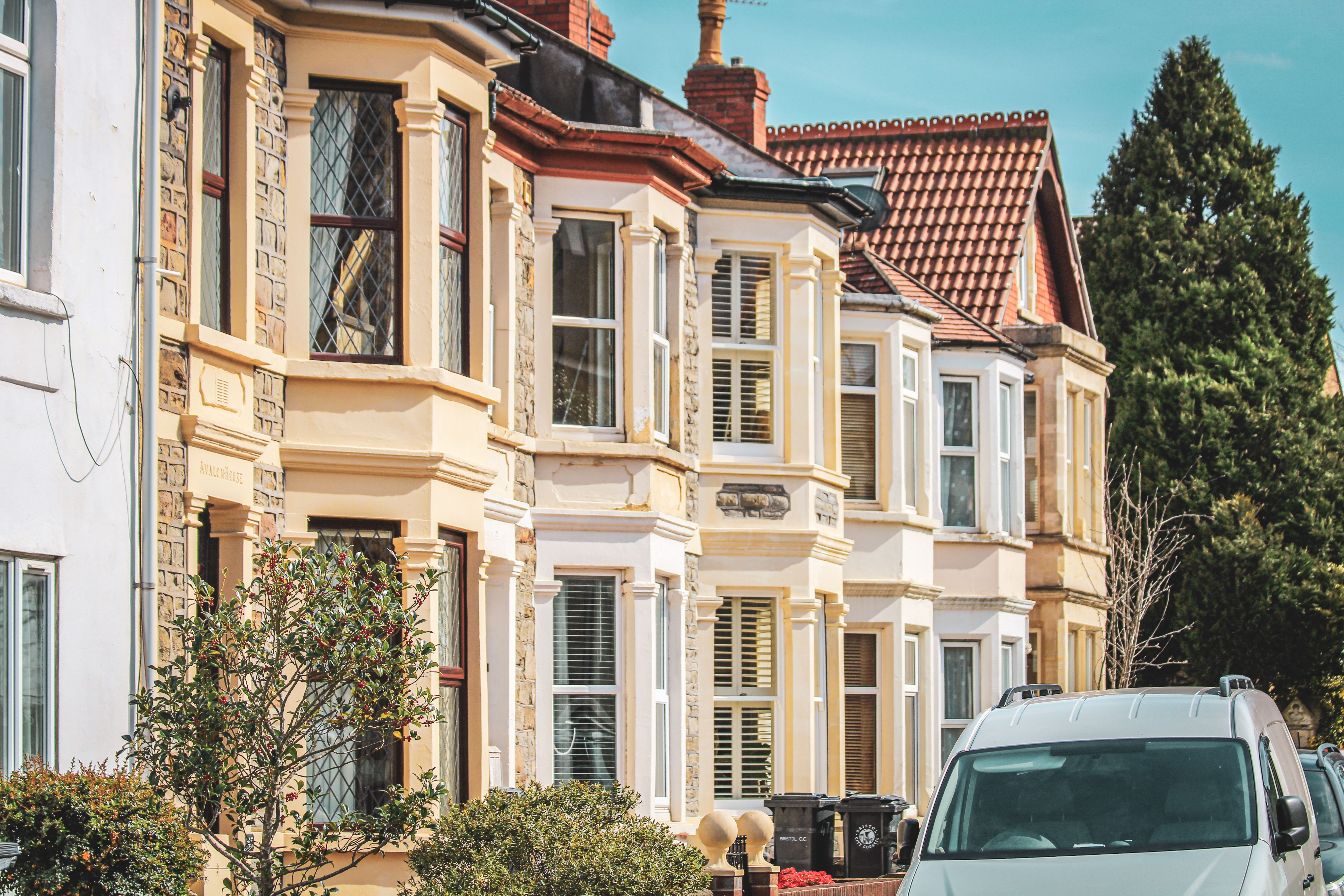
Buyers form a strong and often durable opinion within seconds of seeing a property — and a significant portion of that impression is made before they step through the front door. Kerb appeal, the visual impact of your property from the street, has a measurable effect on the speed of sale and the price achieved, yet it is consistently underinvested by sellers who focus all their energy on interior presentation.
Start with the fundamentals: clean the driveway, path and any front paving. Remove bins, garden tools and anything else that does not belong in the frontage. Assess the condition of the front door — this is the single most impactful visual element in any exterior photograph, and a freshly painted door in a considered contemporary colour (deep navy, soft sage, warm Charleston grey) has an outsized positive effect. New door furniture — a quality knocker, an updated letterbox, a fresh set of numbers — is an inexpensive upgrade that reads well in both photographs and in person.
Front garden planting and condition matter too. Trim hedges and shrubs neatly, clear any dead planting, and consider adding seasonal plants in pots on either side of the door. These small interventions signal to buyers that the property has been consistently cared for — which sets a positive expectation for what they will find inside.
Inside the entrance hall, the same discipline applies. Declutter rigorously: coat stands, piled post, shoe racks and pushchairs all reduce the perceived size of a hallway and create a negative first internal impression. A fresh coat of paint in a warm neutral, improved lighting, and perhaps a quality mirror or a single piece of art create an entrance that properly sets the tone for the rest of the viewing experience.
Decluttering and dressing each room
Professional property photography is now standard practice for any serious sale, and photographs are typically the first — and sometimes only — interaction a potential buyer has with your property before deciding whether to visit. The most effective thing you can do to improve your listing photographs is to declutter comprehensively and systematically.
Remove personal items from surfaces throughout the house. Clear kitchen worktops completely. Edit each room down to what genuinely needs to be there, and box or remove everything else before the photographer arrives. A bedroom with a clear dressing table and neatly made bed photographs dramatically better than one that reflects the complexity of daily life. This is not about misrepresentation — it is about allowing buyers to project their own lives onto the space, rather than navigating yours.
Where budget allows, brief professional staging can make a meaningful difference to the quality of your listing photographs and to the impression properties make during viewings. A property stylist will rearrange furniture, introduce key accessories and ensure each room is presented at its best. For premium properties, the return on a staging investment is typically significant. For more modest budgets, the principles are the same: rooms should be clean, decluttered, well-lit and simply dressed, with neutral bedlinen, excess furniture removed and natural light maximised.

Setting the right asking price
Accurate pricing is one of the most consequential decisions in the entire selling process, and it is an area where seller emotion frequently works against commercial interest. The desire to leave "room to negotiate" leads many sellers to launch at a figure above what comparable evidence supports — and the result is almost always counterproductive.
Request valuations from three established local agents with strong recent sold records in your specific area. Ask each to support their suggested asking price with comparable sold evidence — not current listings, which represent aspiration rather than achievement. Check recent sold prices on property portals and the Land Registry yourself, so you enter these conversations informed. The right asking price is one that attracts genuine, financially qualified buyers promptly and creates the competitive tension that underpins a strong negotiating position.
If Capital Gains Tax may be relevant to your sale — most commonly if the property is not your primary residence — consult the GOV.UK: Capital Gains Tax on property webpage and take advice from a qualified accountant before agreeing a sale price. The full context for the selling process is set out at full within the GOV.UK: Selling a home webpage, and familiarising yourself with the process overview will make you a more confident and effective participant in it.
Timing your listing
The property market has clear seasonal patterns, and understanding them allows you to choose the moment of your market entry with some strategic thought. The spring market — broadly February through May — traditionally delivers the highest buyer activity, most flattering daylight conditions for photography, and gardens at their most presentable. Autumn, from September through November, is the second-best window. July, August and the mid-winter period are generally quieter.
If your property is in a particularly sought-after school catchment, timing your listing to allow buyers to understand the catchment picture before the relevant application deadline can sharpen demand considerably. Discuss timing with your chosen agent, and ask specifically about their plans for launching your property — whether they will be notifying their registered buyer database, running a coordinated launch period before wider marketing, or promoting on social media. An orchestrated launch to a primed audience can generate early competitive interest that sets a strong foundation for pricing. There is rarely a compelling reason to rush onto the market before your property is genuinely ready — the preparation time is almost always recovered in the outcome.
One final consideration: instruct your solicitor as soon as you decide to sell, ideally before your property goes to market. Having your conveyancing set up in advance means you can move quickly from accepted offer to exchange, which buyers find reassuring and which reduces the period during which something can go wrong. Sellers who are operationally ready from the moment they accept an offer are consistently better placed to achieve a smooth, timely completion — and a smooth completion is the ultimate measure of a sale well executed. The three levers — presentation, pricing and timing — work best when pulled together and in the right sequence. Address them each with genuine care, surround yourself with the right professionals, and approach your sale as the considered, high-value transaction it is. The outcome almost always reflects the quality of the preparation that preceded it.





.svg)